|
The Divine Comedy, The Castle, Ulysses, Under The Volcano are
works said to operate like crystal balls meant to
capture the world... The mental screens shaped in that quality of
white dear to André Jolivet, are of the same nature. All is
said, contained, reflected in there, in the purest respect of
the platonic ideal. Once the frame has been defined and whatever
its size is, the project remains unchanged. An uncommon adventure
about the capture of light. In its immaculate and vibrating whiteness,
like a mental television set constantly switched on, the screen
very well attends to display the presence and the fury of presupposed
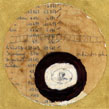
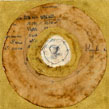
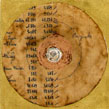
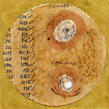
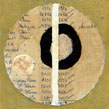
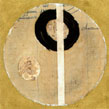
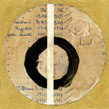
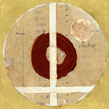
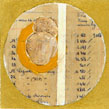
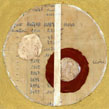
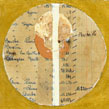
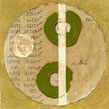
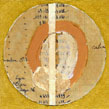
or real worlds. In the works of André Jolivet, the white
screen has aspects of marble cliffs approaching each-other. But
instead of the vile wreckers deceptive lights, the eye receives a
flood of images carried by this palimpsest screen. Rather than
proposing strictly realist visions, the screen works in quotations,
symbols, tattoos and traces. Humming with references, a hive works
its evocative magic in frames and clear embeddings like so many new
programs. It might be the æsthetic rendering of a fine or any other
document. With Kafka as with Jolivet the bureaucracy and its
paraphernalia points to the universal law of composition. The
approach is to mangle, claw, cover the form to scramble destiny's
computer. Only at this cost, does the hijacking of the form come
to its true dimension. A way to refuse the establishment and its
artificial lifestyles. What is suitable for André Jolivet
is also what's unsuitable. Here, the palimpsest effect is brought
through a rigorous artistic approach. It's an eternal self-referencing,
a titanic fight for the quality of the whites. A matter of
perpetual rewriting, like a big wheel that turns reflecting our
small stories with the vigour of an epic.
Alain Calmes.
|
|